Repair or Replace: When an Old AC System Isn't Worth Fixing
The right call between fixing and replacing usually shows up in the pattern of past repairs more than in any single breakdown.
August 25, 2026 · 4 min read
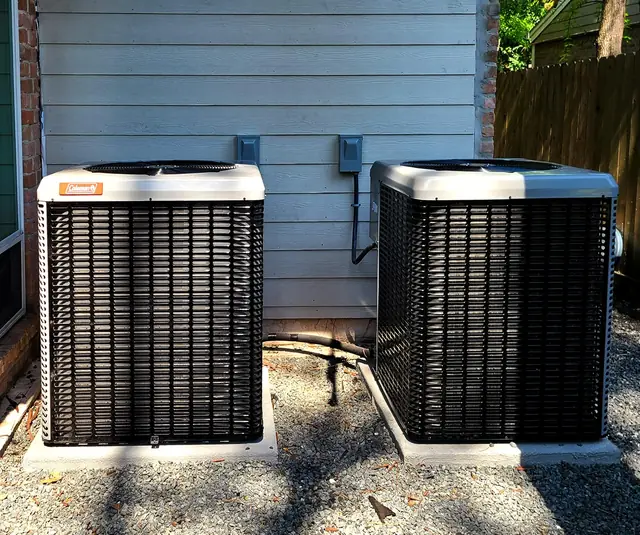
Every AC system eventually crosses a line where it costs more to keep repairing than it does to replace. The hard part is knowing where that line actually sits for your specific unit, rather than guessing off a single bad summer.
Signs it's leaning toward replacement
- It doesn't cool like it used to, even right after a repair
- You've called for repairs more than once in the past year or two
- The system is a much older unit than the rest of the neighborhood's
- Airflow out of the vents feels weak even with a clean filter
None of these alone settles it. A single weak-airflow complaint might just be a dirty coil. But when two or three of these show up together on the same system, that's the pattern that usually means the unit is wearing out rather than having one isolated problem.
What actually determines a system's lifespan
A residential AC condenser typically lasts somewhere in the range of 12 to 18 years, depending on how well it's been maintained, how hard it's run, and whether it's been kept clean. Salt air isn't a Houston factor the way it is right on the coast, but heat load is: a system here runs far more total hours per year than the same unit would in a milder climate, and hours run is what actually wears out a compressor, not calendar age by itself.
The math homeowners skip
A repair bill is a known, one-time number. A new system is a bigger number up front but resets the clock on efficiency and reliability. The way to compare them honestly is to ask what the repair actually buys: does it fix the one thing that's wrong, or does it patch a system that's going to need another repair call within a year? A tech who's straight with you will say which one it is rather than just quoting the fix in front of them.
What to weigh before choosing a new system
- Size, an oversized system cools fast but doesn't run long enough to pull humidity out of the air, which matters more here than almost anywhere
- Efficiency ratings (SEER/EER), a higher-efficiency system costs more upfront and less to run every month after
- Maintenance requirements, some systems and brands are simpler to service long-term than others
- Cost, including whether financing makes sense for your situation
Titan Comfort Solutions installs and services Trane, Carrier, Lennox, Rheem, and Daikin systems, so the recommendation isn't steered toward one manufacturer's box. Financing is available through Synchrony Bank's Home Design credit card and FTL Finance for homeowners who'd rather spread a replacement out than pay it in one draw. Both are subject to credit approval with minimum monthly payments required, so ask what the actual terms look like for your situation rather than assuming.
How maintenance history changes the calculus
Two identical systems installed the same year can be in completely different places by year twelve. One that's had its coil cleaned and refrigerant checked twice a year is still running close to its original efficiency. One that's never been serviced beyond emergency repairs has usually lost real capacity to a dirty coil, a slowly drifting refrigerant charge, and electrical components that were never tested until they failed outright. That history matters more than the model year when a tech is looking at whether a repair is worth making, because a well-kept older system can still have real life left in it, while a neglected newer one might already be on its way out.
Putting off a replacement decision isn't free even when nothing breaks in the meantime. An aging system loses efficiency gradually, so the electric bill climbs a little every summer without anyone noticing the trend until they compare bills year over year. And the parts most likely to fail on an older unit, capacitors, contactors, blower motors, tend to fail during the hottest stretch of the year, which is exactly when they're hardest to schedule and hardest to live without. None of that means every aging system should be replaced immediately. It means the decision is worth making deliberately, on a technician's actual findings, rather than by default when something finally quits.
Getting a straight answer
The honest version of this conversation involves someone actually opening up the unit, checking the compressor and coil, and telling you what they find, not just quoting a number over the phone. Titan's NATE-certified techs are Texas Air Conditioning Class A licensed (#119850C) and can walk you through repair versus replace on your specific system rather than a generic rule of thumb. Call (281) 549-2122 to get someone out to look at it.
Titan Comfort Solutions. (281) 549-2122
Call (281) 549-2122More articles
Why Your AC Blows Warm Air in Houston's Humidity
Warm air from the vents in July isn't always the compressor's fault, and knowing the difference saves you a wasted service call.
What Your Attic Ductwork Is Actually Doing to Your Bills
The ductwork nobody sees is often the single biggest reason a cooling bill runs high despite a healthy AC unit.