The Room That Never Keeps Up: Why Ductless Mini Splits Solve It
When central air can't keep one room comfortable no matter what the thermostat says, the fix usually isn't a bigger AC system, it's a dedicated one.
August 25, 2026 · 4 min read
A garage that got turned into a home office, a sunroom added onto the back of the house, a bonus room over the garage: these spaces have one thing in common. They were never part of the original ductwork plan, and tying them into it after the fact rarely works as well as homeowners hope. The room stays ten degrees warmer than the rest of the house no matter how far down the thermostat gets pushed, because the central system is now trying to condition square footage it wasn't sized or routed for.
Why extending existing ducts often fails
Running a new branch off an existing duct trunk means splitting airflow that was already balanced for the rooms it currently serves. Add a distant room to that trunk and every room on it gets a little less air, including the new one, which usually ends up the worst-served room in the house because it's furthest from the air handler and has the longest, leakiest run to get there.
What a mini split actually does differently
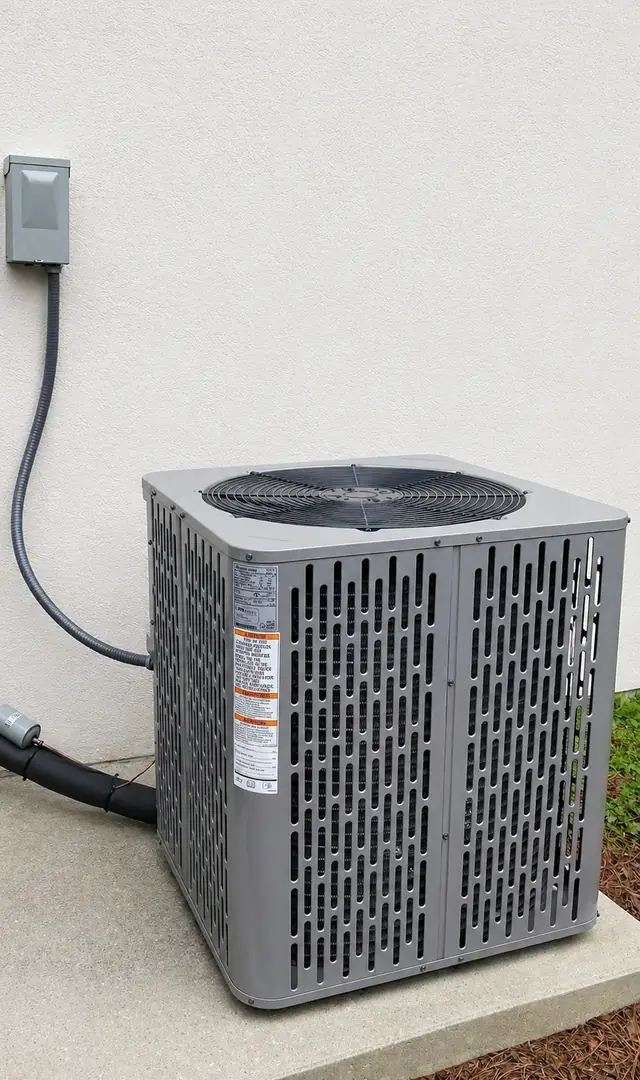
A ductless mini split skips the duct run entirely. An outdoor condenser connects through a small line set, usually run through a 3-inch hole in the wall, to an indoor unit mounted in that one room. The room gets its own thermostat and its own dedicated capacity, sized for that space alone instead of sharing capacity with the rest of the house.
The real benefits, not just the sales version
- Less noise, the compressor technology in most modern mini splits runs quieter than a window unit or a central system's indoor blower
- A smaller system, sized specifically for one room instead of oversized to reach it through ductwork
- Better air quality in that room, since it's not sharing return air with the rest of the house
- Reduced energy bills, because the system isn't fighting duct losses to get conditioned air to a room at the end of a long run
None of these are unique to one brand. Titan Comfort Solutions installs and services ductless systems matched to the specific room rather than a one-size recommendation.
Getting the sizing right matters as much as the equipment
A mini split that's oversized for the room has the same problem an oversized central system does: it cools the space fast, shuts off, and never runs long enough to actually pull the humidity down, which leaves the room cold and clammy at the same time. Sizing a mini split correctly means accounting for the room's square footage, ceiling height, window exposure, and insulation, not just picking the next size up to be safe. A garage conversion facing west with a lot of glass needs a different capacity than a north-facing interior bonus room the same size, and that's a judgment call worth getting right rather than guessed at from a chart.
One outdoor unit, more than one room
For additions with more than one room, a multi-zone mini split system connects a single outdoor condenser to two or more indoor units, each with its own thermostat, rather than requiring a separate outdoor unit per room. That's worth asking about for anything bigger than a single office or bonus room, since it can cover an entire addition, an accessory dwelling, or a garage apartment without cluttering the outside of the house with multiple condensers.
Where mini splits make the most sense
Garage conversions, additions built after the original ductwork was installed, sunrooms, home offices, and apartment or guest units over a garage are the classic cases. It's also a common fix for a second story that always runs warmer than the first, where a dedicated unit for the upstairs zone takes the load off the central system entirely rather than trying to force more air up a duct run that was never balanced for it.
The install itself is less invasive than most homeowners expect. Because there's no duct run to build, a mini split install doesn't mean opening up ceilings or walls the way extending central ductwork would. The line set, refrigerant lines and electrical wiring bundled together, runs from the indoor unit to the outdoor condenser through that single small wall penetration, usually finished in a day for a single-zone setup. The indoor unit mounts high on a wall or, less commonly, in the ceiling, and needs a condensate line to drain the moisture it pulls out of the room, same as any AC coil. For a room that's been a problem for years, that's a short project for a permanent fix rather than an ongoing argument with the thermostat.
Titan Comfort Solutions serves Tomball, The Woodlands, Spring, Conroe, Cypress, Magnolia, Montgomery, Lake Conroe, and Pinehurst, and offers 24/7 live answering if the room in question has finally become impossible to live with. Call (281) 549-2122.
Titan Comfort Solutions. (281) 549-2122
Call (281) 549-2122More articles
Why Your AC Blows Warm Air in Houston's Humidity
Warm air from the vents in July isn't always the compressor's fault, and knowing the difference saves you a wasted service call.
Repair or Replace: When an Old AC System Isn't Worth Fixing
The right call between fixing and replacing usually shows up in the pattern of past repairs more than in any single breakdown.